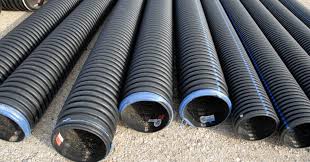
Installing a new drain pipe is a necessary plumbing task that can improve your home’s drainage system and prevent water damage. While it may seem like a complex job, with the right tools and guidance, homeowners can complete the installation successfully. If you’re unsure about any step or want professional help, searching for a plumber near me or hiring plumbing services in Carlsbad can ensure the job is done correctly. This guide will walk you through the process step by step.
Tools and Materials Needed
Before you start, gather the necessary tools and materials:
- PVC or ABS drain pipe (depending on your plumbing system)
- Pipe cutter or hacksaw
- PVC primer and cement
- Wrench and pliers
- Pipe fittings (elbows, tees, couplings)
- Plumber’s tape
- Measuring tape
- Safety gloves and goggles
Step-by-Step Guide to Installing a New Drain Pipe
1. Plan and Measure
Before cutting any pipes, determine the route your new drain pipe will follow. Ensure it has a proper slope (typically 1/4 inch per foot) to allow wastewater to flow efficiently. Measure the required pipe lengths and mark them accurately to avoid errors.
2. Cut and Prepare the Pipes
Use a pipe cutter or hacksaw to cut the pipes according to your measurements. Smooth the edges with sandpaper or a file to prevent leaks and ensure proper fitting.
3. Dry Fit the Pipes and Fittings
Assemble the pipes and fittings without using adhesive to check for alignment and fit. Adjust if necessary before permanently securing them.
4. Apply PVC Primer and Cement
If using PVC pipes, apply primer to both the pipe ends and inside the fittings. Then, apply PVC cement and quickly connect the pieces, holding them together for a few seconds to ensure a strong bond.
5. Secure the Connections
Use pipe clamps or brackets to secure the pipes to walls or studs, ensuring they remain in place and don’t shift over time.
6. Connect to the Existing Plumbing System
Carefully attach the new drain pipe to the existing plumbing system, ensuring all joints are properly sealed. If needed, use plumber’s tape on threaded connections to prevent leaks.
7. Test for Leaks
Before closing up walls or covering the pipes, run water through the new drain pipe to check for leaks. If any leaks appear, tighten the connections or apply additional sealant.
8. Finalize and Clean Up
Once you’ve confirmed there are no leaks, clean up your workspace and dispose of any debris. If the installation required cutting into walls or floors, patch them up as needed.
When to Call a Professional
While installing a new drain pipe can be a manageable DIY project, some situations require expert help. If you encounter unexpected complications, need permits, or want assurance that the installation meets local plumbing codes, searching for a “plumber near me” or hiring “plumbing services in Carlsbad” is a smart choice.
Conclusion
Installing a new drain pipe involves careful planning, precise measurements, and secure connections to ensure an efficient drainage system. While many homeowners can handle this task, professional plumbing services in Carlsbad are available for those who prefer expert assistance. Whether you choose to DIY or hire a plumber near you, a well-installed drain pipe will improve your home’s plumbing system and prevent future issues.