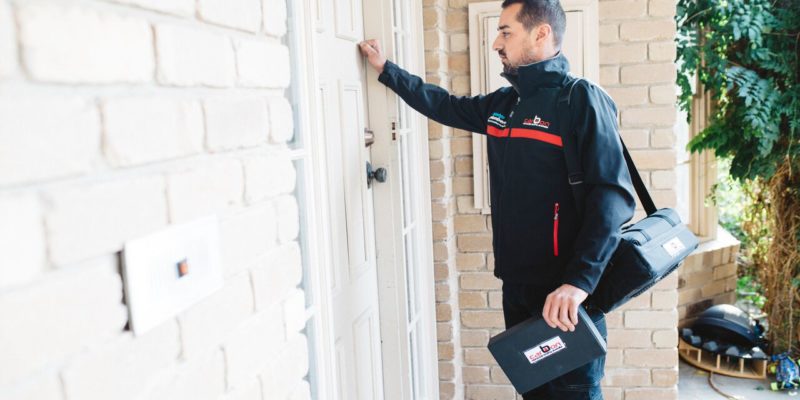
Installing a new plumbing system is a critical part of any construction or remodeling project. Whether you’re building a new home, adding an extension, or renovating a bathroom, the plumbing system is what keeps water flowing properly through your home. But how long does it actually take to install a plumbing system? This can be a complicated question as the timeline depends on various factors, including the size of the project, the complexity of the system, and whether you’ve hired a reliable professional like a plumber near me or plumbing services in Carlsbad. In this blog post, we’ll explore the general timeline for plumbing installation and what factors can influence it.
Understanding Plumbing System Installation
Plumbing installation involves laying down the pipes, drains, and fixtures that will ensure clean water enters and wastewater leaves your home safely and efficiently. A proper installation is crucial to avoid issues down the road, such as leaks, water damage, and inefficiencies. Given the importance of plumbing in any household, the time it takes to install the system should not be rushed, as shortcuts can lead to costly repairs later.
From the initial planning to the final inspection, plumbing system installation is a multi-step process. Knowing what to expect in terms of timeline can help you plan your project more effectively and ensure that you hire the right plumbing services in Carlsbad to get the job done on schedule.
Factors That Affect Installation Time
- The Size of the Project
One of the primary factors that influence how long it takes to install a plumbing system is the size of the project. A full installation in a new home will take significantly longer than simply redoing the plumbing in a small bathroom. For a standard 3-bedroom, 2-bathroom home, a complete plumbing system installation typically takes between 3 to 5 days.
Larger homes with more bathrooms, kitchens, and complex layouts will naturally require more time, possibly extending the timeline to one to two weeks. If you’re building a custom home with specialized plumbing features like luxury showers, soaking tubs, or multiple water heaters, the installation could take even longer.
- Complexity of the Plumbing System
Not all plumbing systems are created equal. If your home has a simple layout with straightforward plumbing needs, such as one bathroom and a kitchen, the installation will be relatively quick. However, more complex systems that include features like water filtration systems, multiple water heaters, or specialized drainage systems can add time to the process.
The type of materials being used also plays a role. For example, installing PEX (cross-linked polyethylene) pipes is generally quicker than installing copper pipes, as they are easier to handle and require fewer connections. If you’re opting for traditional materials or complex plumbing layouts, hiring a professional plumber near me can help ensure the job is done correctly, but it may also extend the timeline.
- Permits and Inspections
In many places, plumbing installation requires permits and inspections to ensure that everything is up to code. Obtaining these permits can add time to your project, as you’ll need to wait for the relevant authorities to approve the work. Inspections may also be required at various stages of the installation, from the initial pipe laying to the final hook-ups. These inspections ensure that your plumbing system is safe and effective, but they can also delay the project if the work doesn’t pass on the first attempt.
To avoid unnecessary delays, it’s a good idea to work with reputable plumbing services in Carlsbad that are familiar with the local building codes and permit requirements. A professional plumber can help expedite the process by ensuring that everything is done correctly the first time around.
- Weather and Site Conditions
Weather and site conditions can also affect how long it takes to install a plumbing system. If you’re working on an outdoor project, such as laying down sewer lines or water pipes, inclement weather like rain or snow can delay the process. Similarly, if your home is located on a difficult site with rocky or uneven terrain, the installation process might take longer as additional groundwork may be needed.
Indoor installations are typically less affected by weather, but site conditions like existing infrastructure or the condition of the building can still influence the timeline. For example, if you’re installing new plumbing in an older home, the contractor may need to work around existing structures or repair hidden damage, which can add time to the project.
- Experience of the Plumbing Team
The skill and experience of the plumbing team you hire will also impact how long it takes to install a plumbing system. A seasoned local plumber or plumber near me who has experience with similar projects will be able to complete the installation more efficiently than a less experienced contractor. Hiring a professional plumbing service can save you time and ensure that your plumbing system is installed correctly and up to code.
Conclusion: Planning for Plumbing Installation
So, how long does it take to install a plumbing system? While the answer depends on various factors, the average timeline for a standard home plumbing installation ranges from 3 to 7 days. Larger or more complex projects may take longer, especially if inspections, permits, or weather conditions cause delays.
The key to ensuring that your plumbing installation goes smoothly and on schedule is hiring the right professionals. Reputable plumbing services in Carlsbad or a plumber near me can help you navigate the complexities of the installation process, from securing permits to passing inspections, all while ensuring that the work is done safely and efficiently.
By planning ahead and hiring skilled professionals, you can ensure that your plumbing system installation is completed on time, allowing you to move forward with your construction or renovation project without unnecessary delays.